Development strategies for an advanced air mobility network in the Guangdong–Hong Kong–Macao Greater Bay Area
Our goal is to develop an integrated framework for AAM system planning through three tasks: analyzing demand, market structure, and regulation to support policy design; optimizing infrastructure layout and network design for efficient, low-impact operations; and building a 3D simulation platform to support data-driven decision-making for safe and sustainable AAM deployment in the Greater Bay Area.

Sponsored by

Monitoring Greenhouse Gas Emission Point Sources From China Space Station
Our goal is to enhance carbon monitoring and policy design by advancing the PSCED system, promoting public engagement, analyzing high-resolution satellite data, evaluating international port mitigation policies, and applying predictive modeling to support evidence-based decarbonization strategies in the Greater Bay Area and beyond.

Sponsored by

Decarbonization Solutions for Buildings in Hong Kong: Development, Assessment and Deployment
Our goal is to holistically evaluate and back-cast the deployment potential of low-carbon building technologies, identify key strengths and barriers, and derive optimal city-scale implementation pathways through integrated analysis and stakeholder engagement.

Sponsored by

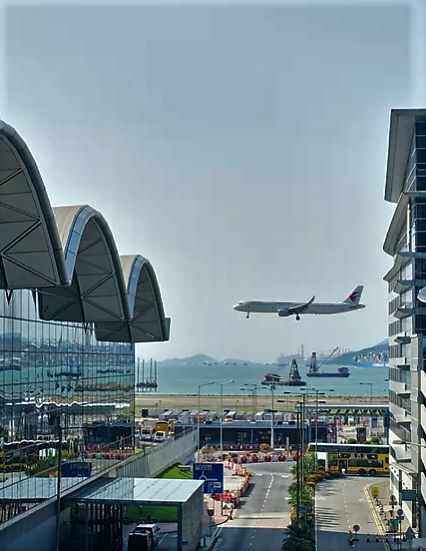
Strategic Planning for Transforming Hong Kong into a Leading Global Aviation and Innovation Hub
Our goal is to provide a strategic planning for Hong Kong’s aviation industry to quickly adapt and retain its leading position in the global market, with a heavy focus on technological innovations.
Sponsored by



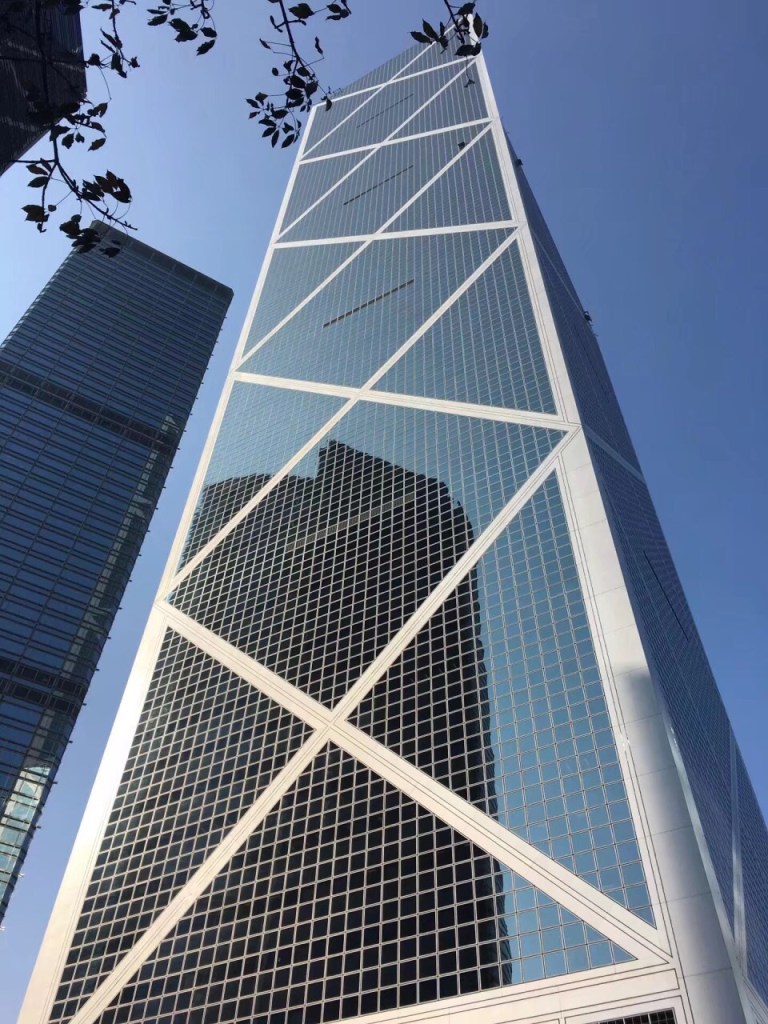
The Persistence of Behavioral Changes in Post-Pandemic Hong Kong: Implications for Transportation, Housing and Economic Development Policies
Our goal is to better understand the behavioral changes pertaining to travel, work, shopping, and housing choices before, during, and immediately after the pandemic in Hong Kong via utilizing the survey infrastructure of the Hong Kong Panel Study of Social Dynamics (HKPSSD).
Sponsored by

The values of e-hailing technology to taxi industry
The goal of this project is to investigate how e-hailing and broader technologies can help to increase the total economic value of the taxi industry. We pay particular attention to the mechanisms that lead to such changes, from the perspectives of both taxi drivers and consumers. The economic benefits taxi drivers and consumers receive will be evaluated against the costs, thereby providing a wholistic picture of the implications of e-hailing and broader technologies to taxi industry.

Sponsored by

MORE INFORMATION
ABOUT

FUTURE PROJECTS
If there are any forms of new projects that you want to collaborate with us, please contact us as soon as possible.
pengyuzhu@ust.hk
(852) 3469 2847
Clear Water Bay, Kowloon
Room 4616 C
HKUST HOMEPAGE

 Prof. Pengyu ZHU